8 Natural Ways to Improve Circulation
Discover natural ways to improve circulation through movement, hydration, nutrition, sleep, and stress support for better energy and vitality.
You notice circulation when it starts to limit your life. Your feet stay cold in a warm room. Your legs feel heavy by afternoon. You stand up and feel sluggish instead of energized. For many adults, the search for natural ways to improve circulation begins there – with subtle signs that the body is no longer moving oxygen, nutrients, and fluid as efficiently as it once did.
Circulation is not just a heart issue. It is a whole-body performance issue. When blood flow is compromised, tissues recover more slowly, energy can dip, mental sharpness may feel blunted, and movement often becomes less comfortable. If your goal is not merely to manage symptoms but to restore function, daily habits matter more than most people realize.
Why circulation matters more than most people think
Healthy circulation is one of the foundations of biological resilience. Blood carries oxygen to muscles, removes metabolic waste, supports temperature regulation, and helps nourish the brain, skin, and organs. Lymphatic flow, which works alongside the vascular system, helps clear excess fluid and cellular debris.
When circulation slows, the effects are not always dramatic at first. Sometimes it looks like swelling around the ankles, slower workout recovery, tingling in the hands, or a sense that your body is running below its potential. That is why improving blood flow naturally is not about chasing a trend. It is about supporting the systems that keep you mobile, clear-headed, and capable.
That said, context matters. Poor circulation can also signal an underlying medical condition such as vascular disease, diabetes, blood pressure issues, or a clotting problem. Natural strategies can be powerful, but they are not a substitute for proper evaluation when symptoms are persistent, painful, or worsening.
Natural ways to improve circulation start with movement
The body was built for motion. One of the fastest natural ways to improve circulation is also one of the simplest: move more often.
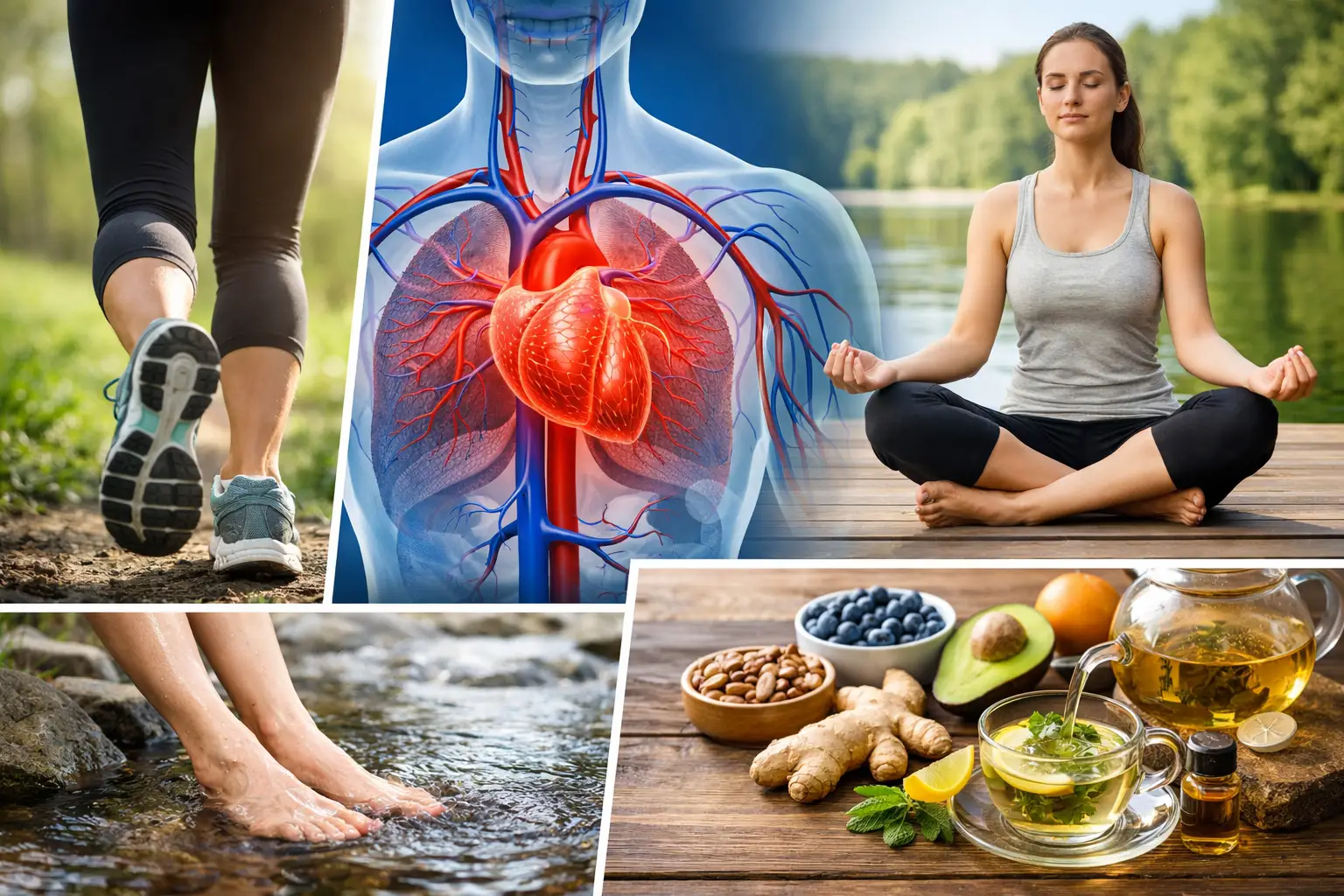
Walking is especially effective because it activates the calf muscles, which act like a pump to help return blood from the legs back toward the heart. You do not need punishing workouts to see a difference. A brisk 10-minute walk after meals, a few movement breaks during long workdays, and consistent low-impact exercise can improve blood flow and reduce that heavy, stagnant feeling many people notice in their lower body.
If you already exercise, variety helps. Resistance training supports vascular health differently than walking does, and mobility work can improve joint range and tissue quality, which indirectly supports better movement mechanics and circulation. The best program is the one you can sustain. If intense training leaves you depleted or inflamed, it may not be helping as much as you think.
Hydration changes blood flow more than people expect
Blood volume depends heavily on hydration. When you are underhydrated, circulation can become less efficient, and some people notice headaches, fatigue, dizziness, or colder extremities.
This does not mean you need to obsess over a gallon a day. It means you should treat hydration as a daily performance tool rather than an afterthought. Water intake should match your body size, activity level, climate, and diet. If you sweat heavily, drink a lot of coffee, or spend time in heat, your needs may be higher.
Electrolyte balance matters too. In some cases, drinking large amounts of plain water without adequate minerals is not ideal. A more intelligent approach is steady hydration throughout the day, with attention to sodium, potassium, and magnesium intake from food and, when appropriate, targeted supplementation.
Food can support circulation or work against it
Nutrition influences blood vessels, inflammation, metabolic health, and blood sugar stability – all of which affect circulation.
Foods that support nitric oxide production, vascular flexibility, and lower inflammatory burden can help the body maintain stronger blood flow. Leafy greens, berries, citrus, beets, pomegranate, fatty fish, olive oil, nuts, seeds, and cocoa-rich dark chocolate are often part of this conversation for a reason. They provide compounds that support endothelial function, the delicate lining of the blood vessels that helps regulate vascular tone.
At the same time, circulation tends to suffer in a body burdened by chronic metabolic dysfunction. Highly processed diets, excess sugar, trans fats, and overeating can push the system toward inflammation and insulin resistance. The trade-off is straightforward: food can either help restore fluid movement and vessel health or slowly harden the conditions that impair them.
If you want a practical filter, build meals around protein, colorful produce, healthy fats, and fiber. This creates a more stable internal environment than relying on refined snacks and oversized carbohydrate-heavy meals that leave you foggy and inflamed.
Stress constricts more than your mood
One of the most overlooked natural ways to improve circulation is managing stress physiology.
When stress is chronic, the nervous system stays tilted toward survival. Blood vessels can constrict, sleep worsens, inflammation rises, and the body shifts away from repair. You may still be functioning, but not optimally. This is one reason some people have cold hands, muscle tension, or elevated blood pressure even when their diet is decent.
The answer is not to eliminate stress. It is to build recovery capacity. Slow breathing, time outdoors, restorative exercise, meditation, prayer, sauna, and reducing digital overstimulation can all support a more balanced autonomic state. For some people, the biggest improvement in circulation starts when the body no longer feels under siege.
Sleep is vascular recovery time
If you are sleeping poorly, your circulation may be paying the price.
Deep sleep supports hormonal balance, vascular repair, blood pressure regulation, and metabolic recovery. Inadequate sleep is associated with higher inflammation, impaired glucose control, and increased cardiovascular strain. That means even a perfect supplement stack cannot fully compensate for chronically short or fragmented sleep.
The useful question is not just how long you sleep, but how well. Snoring, waking frequently, restless legs, or feeling unrefreshed in the morning can all point to deeper issues. For adults focused on longevity and performance, sleep is not passive. It is one of the body’s most active windows for renewal.
Heat, cold, and bodywork can help – with nuance
Some people respond well to circulation-supportive therapies such as sauna, contrast therapy, massage, and compression.
Heat tends to dilate blood vessels and may promote relaxation and improved peripheral blood flow. Massage can encourage local circulation and temporarily reduce muscle tension. Compression garments may help people who stand for long periods, travel frequently, or deal with mild lower-leg swelling.
But this is where nuance matters. More is not always better. Sauna may not be right for someone with unstable blood pressure. Compression should fit properly. Cold exposure can feel invigorating, but in some individuals it causes excessive vasoconstriction. These tools can be useful, but they work best when matched to the person rather than copied from someone else’s routine.
Smoking, sitting, and tight clothing quietly work against you
You can do many things right and still sabotage circulation with a few daily patterns.
Smoking and nicotine significantly impair vascular function. Prolonged sitting reduces muscular pumping and contributes to stagnation, especially in the legs. Tight clothing around the waist or legs can also restrict flow in ways that matter more over time than people assume.
This is where consistency beats intensity. Standing up every hour, stretching during travel, wearing shoes that allow natural foot mechanics, and avoiding long sedentary stretches can produce meaningful gains. The body responds well to repeated signals of movement and openness.
When natural circulation support is not enough
Natural ways to improve circulation can create real change, especially when poor blood flow is tied to inactivity, stress, metabolic imbalance, or early vascular decline. But there are times when lifestyle support should be paired with deeper medical insight.
If you have leg pain with walking, marked swelling on one side, skin discoloration, numbness, chest symptoms, non-healing wounds, or sudden changes in temperature or sensation, that deserves prompt evaluation. The goal is not to normalize warning signs. It is to understand the root cause before function declines further.
For patients who want more than generic advice, this is where precision medicine becomes valuable. A sophisticated approach looks beyond symptoms to the quality of the vascular system, inflammatory burden, metabolic efficiency, hormonal status, and the body’s regenerative capacity. At New Life Regen Center, that philosophy drives a more advanced vision of care: not simply coping with decline, but restoring the conditions that allow the body to perform, recover, and heal at a higher level.
A smarter path to better circulation
The most effective natural ways to improve circulation are rarely flashy. They are foundational: move often, hydrate intelligently, eat for vascular health, sleep deeply, manage stress, and remove habits that create stagnation. Done consistently, these habits can improve energy, comfort, recovery, and long-term function.
Your circulation is not just about blood moving through vessels. It is about life moving through your body with less resistance. Start with one change that feels sustainable, let your body respond, and build from there.