7 Best Non Surgical Mobility Treatments
Discover the best non surgical mobility treatments to reduce pain, restore function, and help you move with strength, confidence, and ease.
When stairs start feeling like a negotiation, your body is telling you something deeper than “you’re getting older.” Loss of mobility is rarely just about one joint. It is often the result of inflammation, tissue wear, poor recovery, metabolic dysfunction, and a care model that chases symptoms instead of restoring function. That is why the best non surgical mobility treatments do more than dull pain. They aim to help the body repair, stabilize, and move with confidence again.
For people who want to avoid surgery, stay active, and protect long-term independence, the question is not simply what works fast. It is what creates durable change. The strongest non-surgical strategies support joint preservation, improve tissue quality, calm inflammation, and rebuild the biological environment that movement depends on.
What makes the best non surgical mobility treatments different?
A cortisone shot may temporarily quiet pain. A pain pill may help you get through the day. But neither necessarily changes the condition of cartilage, tendons, ligaments, muscle coordination, or systemic inflammation. If your goal is true mobility restoration, the standard is higher.
The best treatments usually share three qualities. They are designed to preserve tissue rather than remove or replace it. They are personalized to the structure and severity of your issue. And they look beyond the obvious pain point to the full biology of healing, including circulation, recovery capacity, inflammation, hormones, and metabolic health.
That last part matters more than most patients realize. A knee does not heal in isolation. A shoulder does not regenerate on willpower alone. Your body heals as a system.
1. Regenerative injection therapies for joint preservation
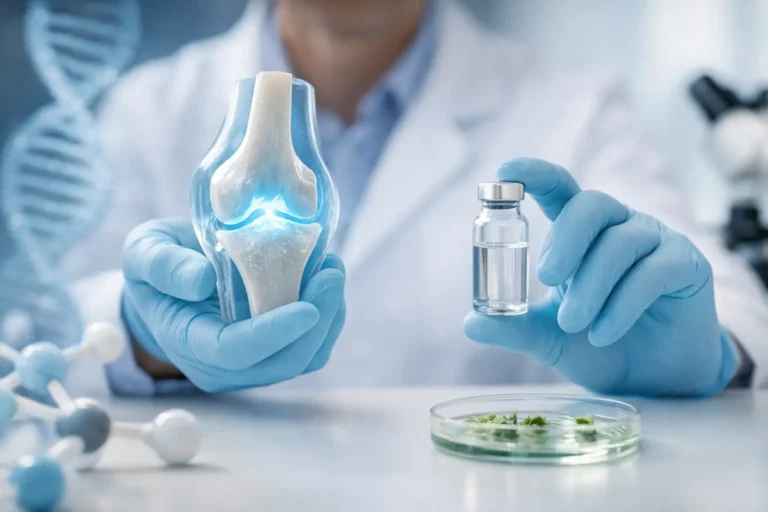
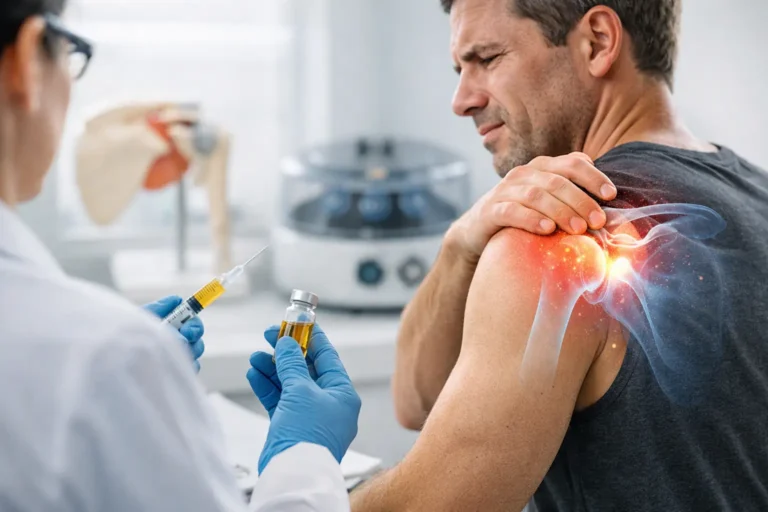
For many patients, regenerative injections are among the best non surgical mobility treatments because they are built around restoration rather than suppression. These therapies are used to support the body’s own repair signaling in areas affected by degeneration, overuse, or chronic inflammation.
This category can include biologic approaches designed to nourish damaged tissue, improve the local healing environment, and promote more stable function over time. In the right patient, that can mean less pain, better range of motion, and a stronger foundation for movement.
The trade-off is that regenerative care is not magic and it is not one-size-fits-all. Outcomes depend on the condition being treated, the health of the tissue, your age, your inflammatory burden, and the precision of the treatment plan. Patients with early to moderate degeneration often have more room for improvement than those with severe structural collapse.
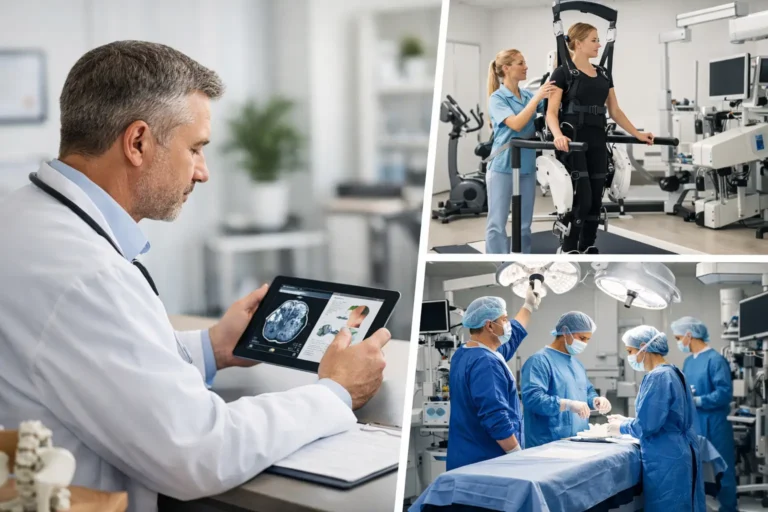
2. Targeted physical rehabilitation
No mobility treatment reaches its full potential if the body forgets how to move well. Even the most advanced biologic therapy needs mechanical support. That is where targeted rehabilitation becomes essential.
Good rehab is not generic stretching handed out in a crowded clinic. It is strategic movement retraining that improves joint mechanics, muscle activation, stability, balance, and load tolerance. A weak glute can overload a knee. A stiff ankle can affect the hip and spine. Skilled rehab addresses those chains instead of chasing pain from one body part to the next.
This is also where patience matters. Rehabilitation is highly effective, but it asks for consistency. Patients looking for a quick fix may underestimate how much lasting mobility depends on rebuilding strength and movement quality.
3. Peptide-based support for recovery and tissue repair
For patients interested in advanced recovery strategies, peptides are gaining attention as part of a broader regenerative plan. In a mobility context, they may be used to support recovery, optimize healing pathways, and help the body respond more effectively to injury or chronic wear.
What makes this approach appealing is that it fits a precision medicine model. Instead of treating mobility loss as an isolated orthopedic event, peptide-based protocols can be used within a personalized plan focused on tissue resilience, inflammation control, and biological performance.
That said, peptides are not a substitute for structural evaluation or movement correction. They are best viewed as an amplifier within the right program, not a standalone answer. The quality of care and clinical judgment behind their use matters enormously.
4. Image-guided therapies for precision
One reason some non-surgical treatments disappoint is simple: the therapy may be good, but the placement is not precise. Mobility problems often involve small but critical structures such as tendon insertions, ligaments, labrum-related regions, or specific joint compartments.
Image-guided treatment changes that. When therapies are delivered with precision, the chances of addressing the actual pain generator improve. This matters in shoulders, knees, hips, spine-related pain, and complex cases where “close enough” is not good enough.
For patients comparing options, this is worth asking about. A lower-cost intervention that is not accurately targeted can become more expensive over time if it delays real progress.
5. Inflammation and metabolic optimization
Here is where mobility care starts to separate conventional symptom management from a future-facing model. Chronic inflammation, insulin resistance, poor sleep, excess visceral fat, low muscle mass, and hormone imbalance can all sabotage healing. You can treat the painful joint, but if the terrain remains inflamed, progress may be slower and less durable.
That is why metabolic optimization belongs on any serious list of the best non surgical mobility treatments. When patients improve inflammatory load, sleep quality, body composition, and nutrient status, they often notice better recovery, less stiffness, and more sustainable gains from orthopedic care.
This may include nutrition planning, medical weight optimization, recovery support, hormone evaluation, and strategies that improve mitochondrial and vascular health. It is not glamorous, but it is powerful. The body repairs better when the system is working with you instead of against you.
6. Soft tissue and fascial therapies
Not every mobility limitation begins with severe joint damage. Sometimes the bigger issue is restricted fascia, chronically tight musculature, scar tissue, or poor tissue glide that changes how the body moves under load.
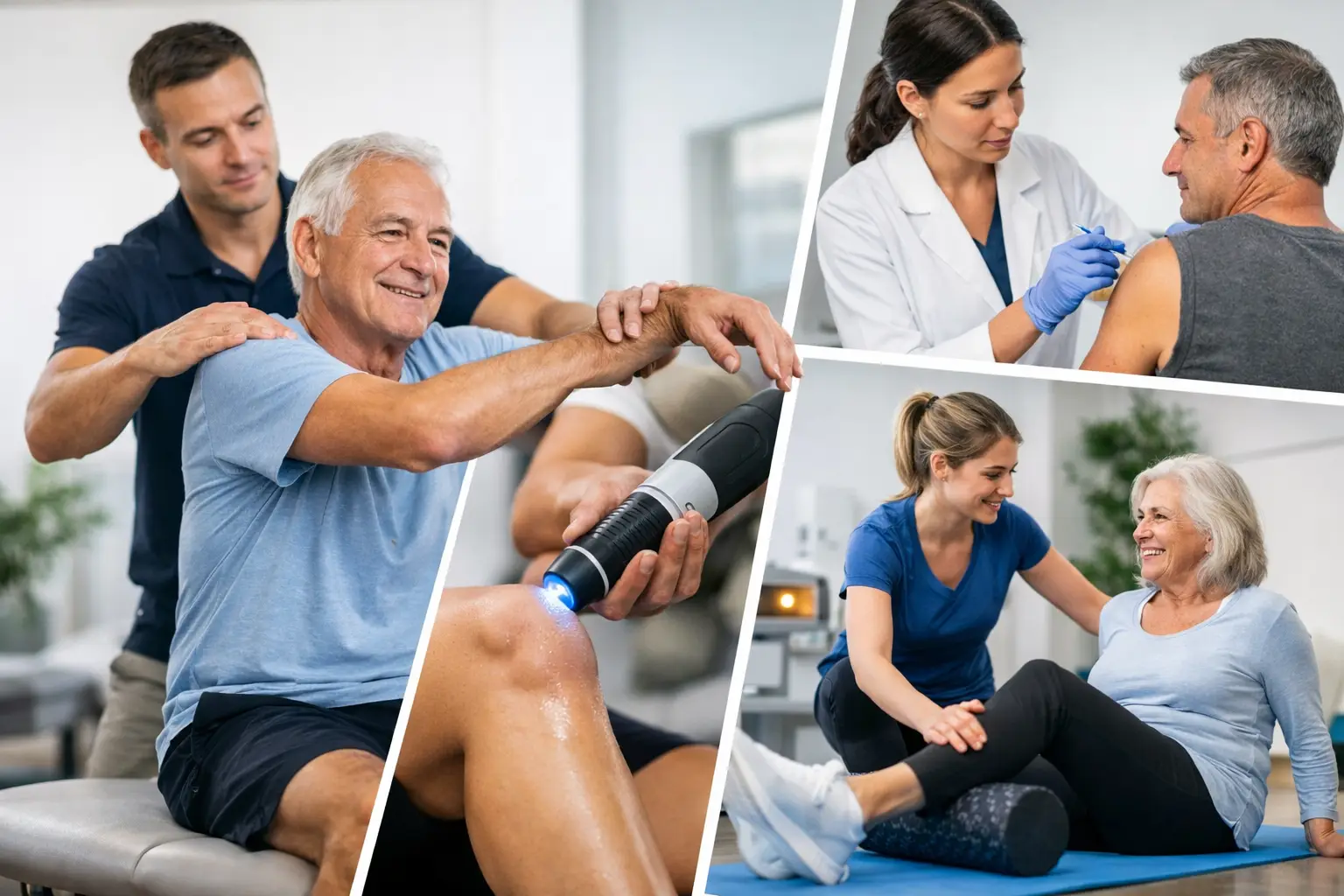
Hands-on soft tissue work and fascial therapies can help restore mobility by reducing restriction and improving tissue quality. On their own, these treatments may not reverse advanced degeneration, but they can make a meaningful difference in how a patient feels and moves, especially when paired with rehab and regenerative care.
The key is expectation. These therapies often work best as part of a layered strategy. They can create access to better movement, but that new range needs to be reinforced with strength and stability.
7. Shockwave and other non-invasive stimulation therapies
Shockwave and related stimulation-based treatments are often used for stubborn tendon pain, plantar fasciitis, calcific shoulder issues, and chronic soft tissue dysfunction. Their value lies in waking up tissue that has stalled in a poor healing pattern.
For the right case, this can reduce pain and improve function without downtime associated with surgery. It is especially appealing to active adults who want a non-invasive option before considering more aggressive interventions.
Still, it depends on the diagnosis. Shockwave is not the best answer for every joint problem, and it works differently for tendon disorders than for advanced arthritis. Precision in patient selection matters just as much as the technology itself.
How to choose the right mobility treatment for your body
The best treatment is not the newest one or the most expensive one. It is the one that matches your biology, your imaging, your symptoms, and your goals.
If you are dealing with tendon injury or early degeneration, regenerative therapies combined with targeted rehab may offer a strong path. If excess inflammation, poor recovery, or weight gain are part of the picture, systemic optimization may be just as important as local treatment. If your issue is severe bone-on-bone collapse or major instability, non-surgical care may still help function and pain, but expectations need to be realistic.
This is where personalized medicine changes everything. A premium mobility strategy should answer a deeper question: what is preventing your body from moving and healing at its highest level right now?
At New Life Regen Center, that philosophy shapes the patient journey. Mobility is not treated as a narrow orthopedic complaint. It is approached as part of your broader biological future – function, resilience, energy, and the freedom to keep living on your terms.
The real goal is not pain relief
Pain relief matters, of course. But most patients are after something bigger. They want to travel without hesitation, train without fear, play with their kids or grandkids, and trust their body again. They want sovereignty over how they age.
That is why the best non surgical mobility treatments are not just about getting through the week. They are about preserving the architecture of movement for the years ahead. When treatment is personalized, regenerative, and built around the full biology of healing, mobility becomes more than symptom control. It becomes part of reclaiming your next chapter.
If your body has been sending warning signs, listen early. The best time to preserve movement is before loss becomes your new normal.